Ouaddaï Region
Ouaddaï, in eastern Chad, is home to Abéché, the former capital of a powerful sultanate. Earthen architecture, traditional markets, and vibrant Islamic heritage define this rarely visited and deeply authentic territory.
Ouaddaï is a region in eastern Chad whose capital, Abéché, was for centuries the heart of a powerful sultanate. A crossroads between sub-Saharan Africa and the Arab-Muslim world, the region retains earthen architecture, vibrant markets, and living Islamic traditions. It remains infrequently visited by foreign travelers, lending it a rare authenticity.
Practical Information at a Glance
- Access: Abéché has an airport served from N'Djamena; overland travel is lengthy and track conditions vary by season.
- Attire: Covered clothing recommended, particularly for women, in keeping with conservative local customs.
- Safety: Consult your government's travel advisories before any trip; the region borders sensitive areas.
- Suggested Duration: Two to three days to explore Abéché and its immediate surroundings.
- Best Time to Visit: November to February, the dry and cool season.
What to See
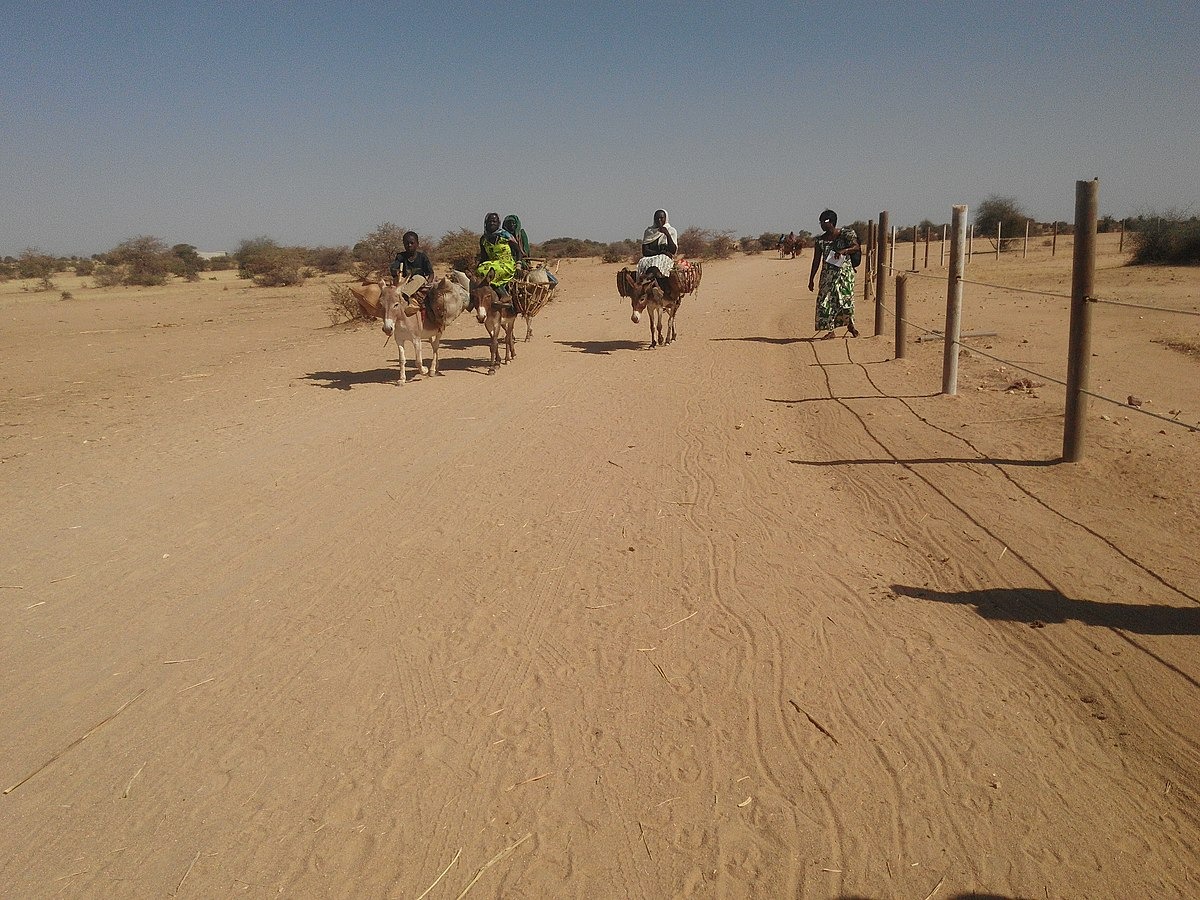
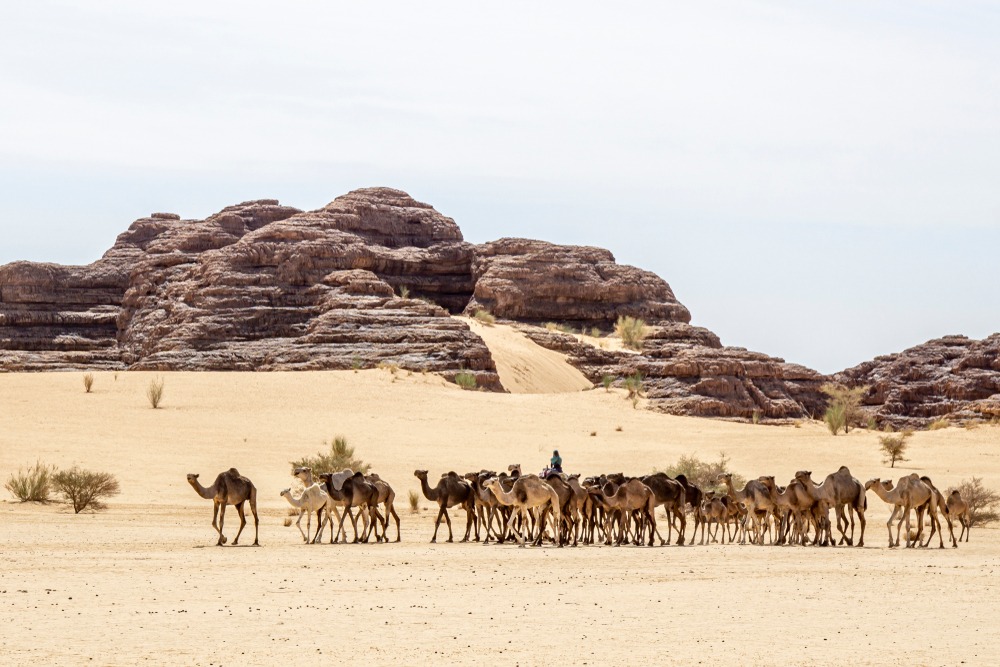
Abéché concentrates most of the built heritage: the historic sultanate quarter with its banco houses featuring decorated facades, the grand mosque, and bustling market streets. Weekly markets draw herders, merchants, and artisans from across the region. The surrounding landscape alternates between Sahel savanna, dried-up wadis, and rocky ridges.
History and Context
The Ouaddaï sultanate was established in the seventeenth century and long resisted expansion by the neighboring Bornu sultanate. Abéché became its capital around the eighteenth century. The region played a relay role on the trans-Saharan routes connecting central Africa to Egypt and Sudan. French colonization became effective only in the early twentieth century, after prolonged resistance.
Highlights of Your Visit
Abéché's Old Quarter
The streets of the historic center preserve mud-brick houses with carved doorways. The architecture reflects Sudanese and Sahel influences. Walking early in the morning allows you to observe daily life before the heat intensifies.
Abéché Market
One of the largest markets in eastern Chad. You'll find livestock, spices, fabrics, and local crafts. Activity peaks in the morning.
The Grand Mosque
A central structure of the city, built in banco following characteristic Sahel style. It remains an active place of worship; exterior visits are possible, interior access depends on the agreement of local authorities.
Etiquette and Visit Guidelines
- Always ask permission before photographing people, places of worship, or official buildings.
- Dress in covered clothing; shoulders and legs should be covered for both men and women.
- Avoid consuming alcohol in public; the region is predominantly Muslim and observant.
- During Ramadan, refrain from eating, drinking, or smoking in public spaces during daylight hours.
Photography Tips
The golden light of morning and evening is ideal for photographing banco architecture. Markets offer colorful scenes, but always ask people's consent. Avoid photographing military, administrative buildings, or checkpoints.
Location and Access
Abéché is located approximately 900 km east of N'Djamena. Abéché airport provides regular connections to the capital. The national highway is passable in the dry season; during the rainy season (July-September), certain stretches become difficult. A 4x4 vehicle is essential for any travel outside the city.
Nearby Attractions
- N'Djamena — Chad's capital, the logistical starting point for any trip in the country.
- Lake Chad — an emblematic body of water to the west, a fragile ecosystem and site of regional significance.
Frequently asked questions
The dry season, from November to February, offers bearable temperatures and passable tracks. Avoid July to September, when rains make roads difficult.
A standard Chad visa is required. Additional travel permits may be required for certain areas in the east; check with Chad's authorities before departure.
Security conditions are variable and can shift quickly due to proximity to Sudan and zones of tension. Consult your government's official travel advisories before any trip.
Photography is sensitive. Always obtain people's consent and avoid official, military, and religious buildings without explicit permission.
Covered attire is essential for both men and women. Women would be wise to wear a headscarf in public spaces and places of worship.