Lake Chad and Kanem
Between the lake's polders, crossed by Buduma fishermen in kadeï pirogues, and the Kanem ergs dotted with date palm wadis, two versions of the Sahel meet west of N'Djamena.
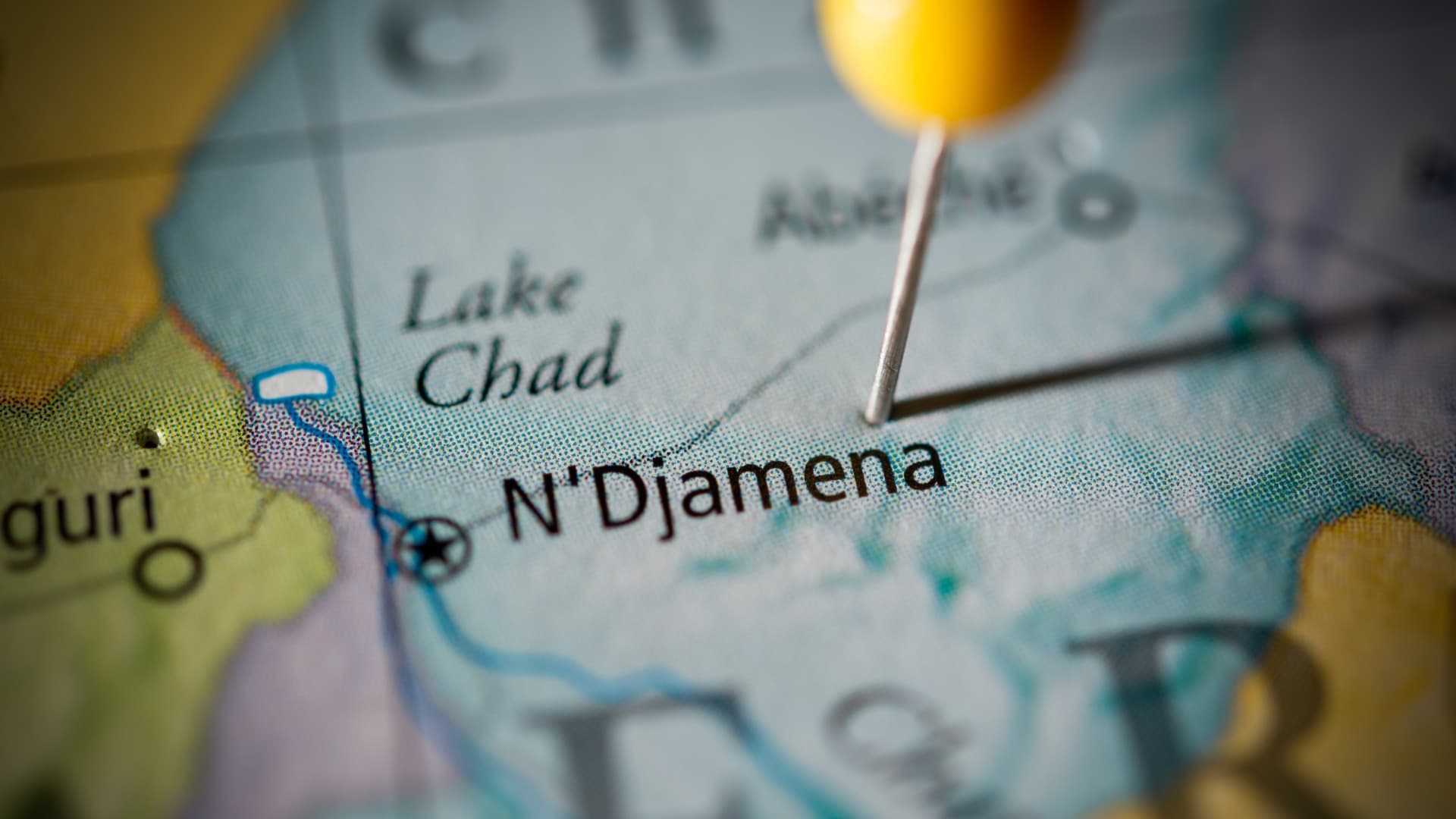
West of N'Djamena, Lake Chad occupies a shallow basin, rarely exceeding seven meters in depth, where water blends with strips of land known locally as polders. This mosaic of islands and channels shifts shape during the dry season, between August and February, as waters from the Chari and Logone rivers recede. The lake is shared with Niger, Nigeria, and Cameroon, and its surface area varies considerably year to year. On the Chadian side, it is approached from Bol, the administrative capital of the region, roughly 280 kilometers from N'Djamena by a track that hugs the river before turning northwest.
The Buduma and Kotoko fishermen live on these islands, sometimes far from any road. They travel in kadeï pirogues carved from kapok tree trunks, fishing for captain fish, tilapia, and alestes, which are later dried on bamboo racks. In Bol and Baga Sola, markets concentrate this production, including banda, smoked fish that is shipped by truck toward Maiduguri or Maroua. The polders cultivated with wheat, maize, and cowpea occupy former lake channels, drained and exploited since the development programs of the 1970s. It is one of the few places in the Sahel where wheat is harvested in the cool season.
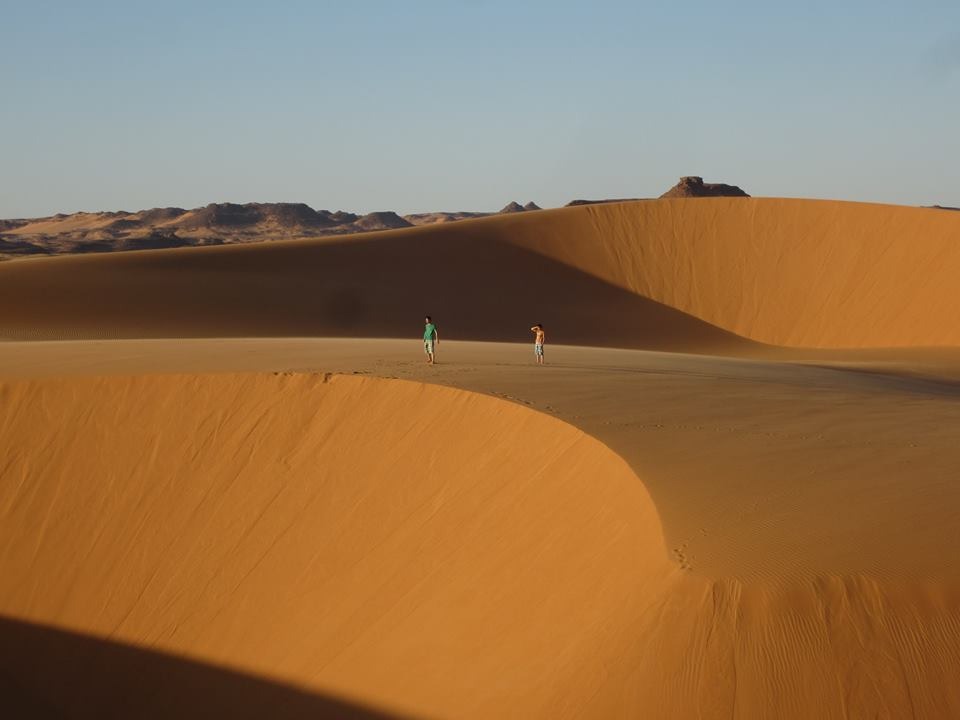
Further north, Kanem opens onto a different landscape. Around Mao, its historic capital founded in the ninth century, ergs undulate in longitudinal cordons oriented northeast to southwest. Between the dunes, wadis are depressions where the water table rises close to the surface: date palms, henna, and sometimes alfalfa are cultivated there. The contrast between red sand and the deep green of palm groves is one of the region's striking images. Mao preserves some mud-brick buildings, including the remains of the palace of the sultans of Kanem-Bornou, an empire that held sway from the ninth to the nineteenth century over the entire Chad basin.
The Kanembou, sedentary peoples, share the territory with Shoa Arabs and Daza Toubou, the latter sometimes descending from the Tibesti with their herds. Camel, zebu, and red Kanem goat herding structure the calendar: transhumance toward pastoral wells in the dry season, return to the lake at the end of the rainy season. At the weekly markets in Mao, Mondo, or Nokou, these populations converge to sell Nguigmi salt, ahimer dates, and henna-dyed fabrics. Regional cuisine revolves around millet balls, okra sauces, and curdled milk consumed mid-morning.
Natron, natural salt extracted from Kanem depressions and lake shores, remains a key product: it is exported to Nigeria for livestock and human consumption. Caravans transporting it still cross paths near Liwa and Rig-Rig. The region also concentrates significant intangible heritage, notably the songs of Kanembou griots during traditional wedding ceremonies or enthronements.
Visiting Lake Chad and Kanem requires understanding that this zone remains sensitive. The Nigerian shore and certain islands have been affected by Boko Haram atrocities since 2014, and the situation is evolving. Our local agency in N'Djamena continuously monitors the recommendations of Tchad authorities and adapts itineraries: we work primarily along the Bol and Baga Sola axis on the lake side, and Mao, Mondo, and Nokou on the Kanem side, avoiding closed border zones.
To discover
Bol polders by kadeï pirogue. Slow navigation between floating papyrus islands, departing from Bol port, with a stop in a Buduma village where fish is dried on racks.
Kanem wadis around Mao. Descent on foot into interdune depressions where date palms grow, contrast of colors between red sand and palm groves, encounters with Kanembou cultivators.
Mao market on Wednesday. Convergence of Kanembou, Shoa Arabs, and Daza Toubou, stalls of natron, ahimer dates, henna, and dyed fabrics, atmosphere little touched by tourism.
Natron extraction at Liwa. On the lake's northern shores, workers cut blocks of salt from evaporitic depressions before loading onto camel back.
Remains of the sultanate in Mao. The mud-brick walls of former Kanem-Bornou royal residences, subtle witnesses to an empire that lasted a thousand years.
When to go
The useful window for visiting Lake Chad and Kanem runs from mid-October to late March. It is the cool dry season: daytime temperatures around 28 to 32°C, nights sometimes cool in Kanem where the mercury drops to 12 or 14°C in December and January. The harmattan, a sand wind from the northeast, can reduce visibility in January and February, but remains manageable in this region.
From April to June, heat becomes difficult, with peaks at 42 or 44°C in Mao and Bol, poorly suited to track travel. The rainy season, from late June to September, brings 200 to 400 millimeters concentrated in brief but violent storms: Kanem tracks become locally impassable and wadis become waterlogged. Lake levels rise then, peaking in October, which alters navigation between polders.
Practical advice
Plan a minimum of 5 to 6 days to combine the lake and Kanem from N'Djamena: one day's travel to reach Bol, two days on the lake with a pirogue sortie and polder visits, then heading up to Mao via Moussoro, roughly 350 kilometers of track, for two to three days exploring wadis and markets. Hassan Djamous International Airport in N'Djamena is the sole entry point. Travel is by 4x4 with driver, and comfort remains basic: tent camps or simple guest houses in Bol and Mao, no international hotels.
The region combines naturally with the agricultural South for a journey centered on Sahel peoples and water landscapes, or with the Ennedi for travelers with two to three weeks, via the central corridor. It is not a destination for families with young children or those seeking comfort. It suits curious travelers drawn to Sahel societies, ready to accept track travel, heat, and logistical surprises. Our team in N'Djamena confirms the feasibility of each itinerary case by case, in coordination with local authorities.