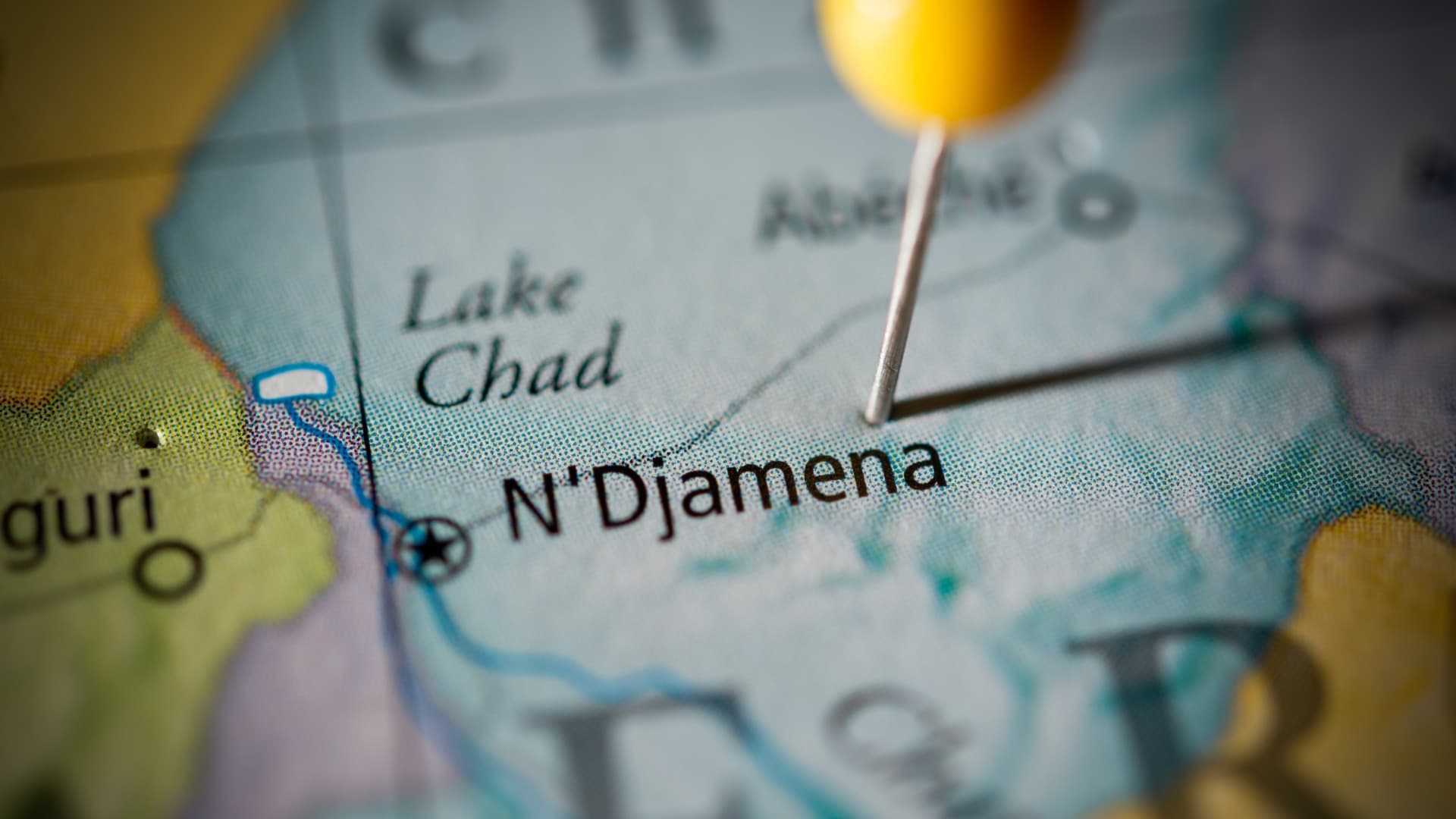
N'Djamena
N'Djamena
Capital of Chad on the Chari River, N'Djamena weaves together turbulent history, thriving markets and Sahel landscapes. Guide to preparing your stay.
Colonisation, World War II, civil war, poverty—N'Djamena has weathered them all. Yet as the capital of Chad, the city refuses to retreat. Sprawling along the Chari River, it continues to emerge as an economic and commercial hub. On the tourism front, its tumultuous past captivates those hungry for history. Cultural traditions thrive within its markets, while natural sites beyond the city walls beckon for escape.
History
From French Colonial Rule to Independent Chad
The British, Germans and French divided Chad into three distinct zones in 1890. But driven by colonial expansion, the French army launched a territorial conquest beginning in 1900. The city of Fort-Lamy officially came into being on the banks of the Chari River, on the site of an ancient village called Kotoko, on 29 May 1900, under the initiative of naval officer Émile Gentil. It was named in honour of Commandant François Joseph Amédée Lamy, who fell during the Battle of Kousseri. During World War II, Fort-Lamy, used as a military base and supply depot by the French army, was bombed by the Germans.
Attached to the French Equatorial Africa federation since 1910, Chad did not become an autonomous republic until 1958. The country gained independence two years later, in 1960.
Fort-Lamy received its new name "N'Djamena" in 1973, at the initiative of Chad's president François Tombalbaye. The name derives from the neighbouring village Niǧāmīnā and translates as "the place of rest".
A Past Marked by Civil Wars
The civil war in N'Djamena erupted in 1979 and resulted in the destruction of much of the city's infrastructure. To counter his rival Hissène Habré, President of the Government of National Unity Goukouni Oueddeià sought the collaboration of the Libyan army, already involved in the Chad-Libya conflict. But following disagreements and international pressure, Colonel Muammar Gaddafi refused and ordered his troops to withdraw in 1981. Habré then came to power as Chad's president in 1982, only to be deposed in the same manner by General Idriss Deby in 1990.
The unrest within N'Djamena forced much of the local population to flee the capital during this period. Residents temporarily settled on the opposite bank of the Chari River, near Kousseri in Cameroon. They did not return to N'Djamena until the fighting ended in 1982.
N'Djamena Today
N'Djamena demonstrated remarkable resilience in refusing to be consumed by Chad's political conflicts. Its location in the Sahel zone of settled peoples, where rainfall is sufficiently abundant, greatly benefits agriculture on its lands. The cultivation of cereals and dates, but especially the cotton industry, thrives in the region at the same pace as fishing and livestock farming. Furthermore, modern hotel infrastructure is gradually appearing in the city centre, under the watch of the Grand Mosque of N'Djamena, as since 2009, the city has been promoted to capital of Islamic culture in Central Africa.
Recommended Visits in N'Djamena
Stroll through the streets of N'Djamena for an introduction to the vibrant daily life of its residents. Head towards Avenue Charles de Gaulle, the main commercial sector and business centre of the Chad capital. Embassies and international restaurants line the avenue, interspersed with Victorian-era buildings. Make a stop at Place de la Nation to admire its tree-lined boulevard, before continuing your city tour.
Your next step on a circuit around N'Djamena could be the National Museum of Chad. Through well-curated exhibits, you'll discover the major periods of the country's history and anthropology. Contemplate prehistoric tools and masks, but don't miss the skull of the Toumai man, considered by Chadians as mankind's earliest ancestor.
A change of pace awaits at the Grand Market of N'Djamena! In this quarter buzzing with energy, you'll find an extensive catalogue of goods for souvenirs: jewellery, rugs, accessories and more. Let yourself be guided by merchants' calls along the wide streets, past colonial buildings and raw brick houses. Don't hesitate to pause at a café, or perhaps immerse yourself in the vibrant atmosphere of African bars. It's the perfect moment to taste the local beer: Gala.
Around N'Djamena
Take advantage of your visit to N'Djamena to explore Lake Chad, before it disappears further... Due to climate change, this body of water, once one of the largest lakes on the planet, has shrunk over time. It remains an important resource for fishing and irrigation of crops, as well as a favoured site for water sports. Further north of N'Djamena, the Douguia tourist station stretches along the Chari River. Beyond boat excursions, birdwatching is among the main activities at the site.
Climate
The hot semi-arid climate in N'Djamena is characterised by a long dry season and, in contrast, a short rainy season. Annual rainfall in the city averages around 510 mm. The rainy period in N'Djamena extends from June to September, with peak precipitation during August. The rest of the year is dry season.
Based on average annual temperatures, N'Djamena ranks among the world's hottest cities. In August, temperatures can already reach 32°C, while the most scorching months are April and May. However, rest assured that outside the dry season, night temperatures are less oppressive.
N'Djamena sits at the eastern extremity of the trans-Sahel highway. The N'Djamena–Djibouti highway connects it to major cities in East Africa. This route is largely unpaved. You can also take the Tripoli–Cape Town road to reach Chad's capital. Finally, a road bridge links N'Djamena to the Cameroonian city of Kousseri.
N'Djamena Hassan Djamous International Airport, located west of the city centre, welcomes airlines from Ivory Coast, Cameroon, Morocco, Egypt, Sudan and Turkey, among others.
N'Djamena has no railway connections.
Taxi and motorcycle taxi are the two most practical means of transport for getting around N'Djamena.
What to Do in N'Djamena?
- Interact with locals along Avenue Charles de Gaulle
- Discover the country's history at the National Museum of Chad
- Shop at the Grand Market of N'Djamena
- Enjoy water activities at Lake Chad
Want to discover this destination?
Our local advisors design your tailor-made trip.