Packing Your Bag
·
Essential gear to bring
Essential gear to bring
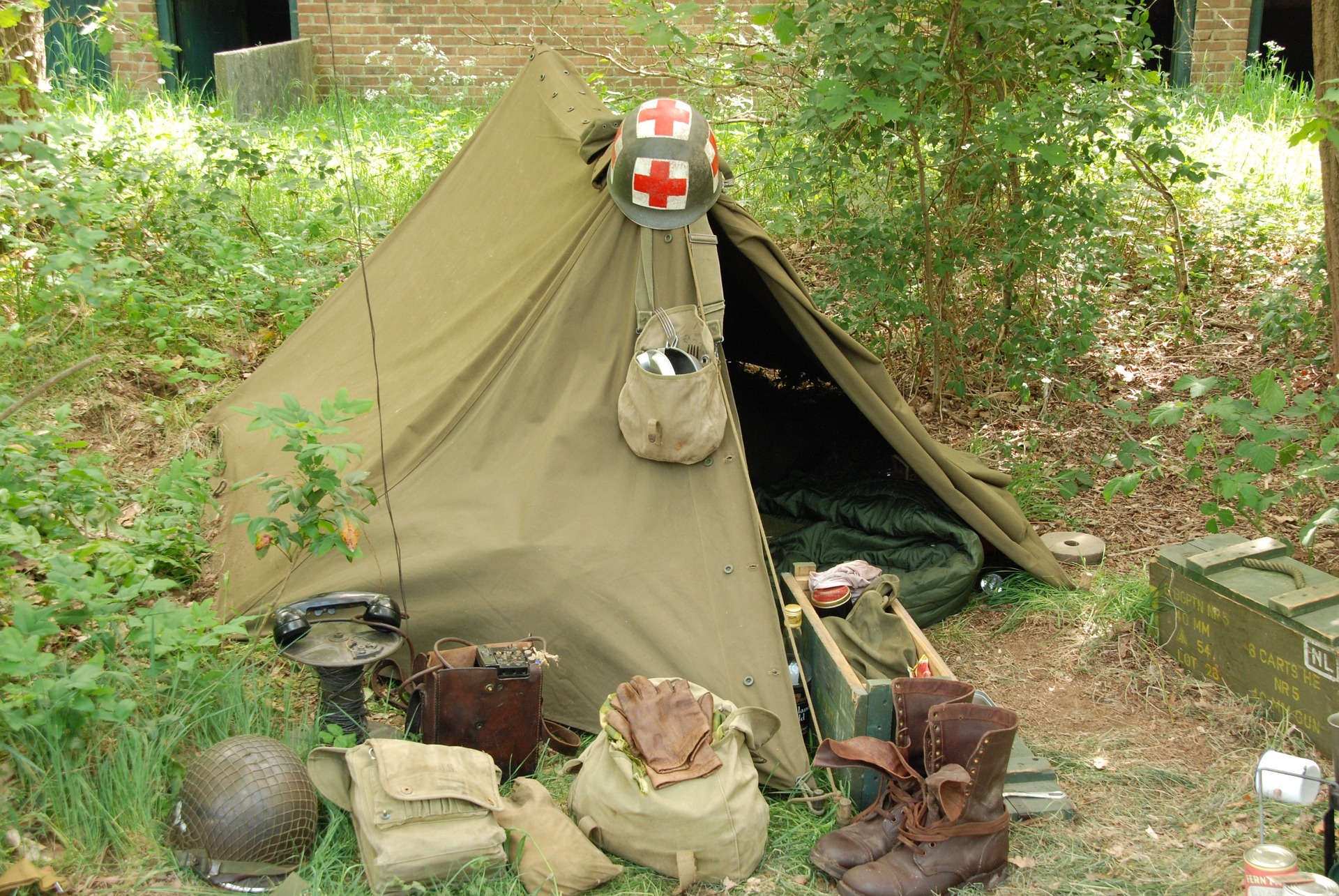
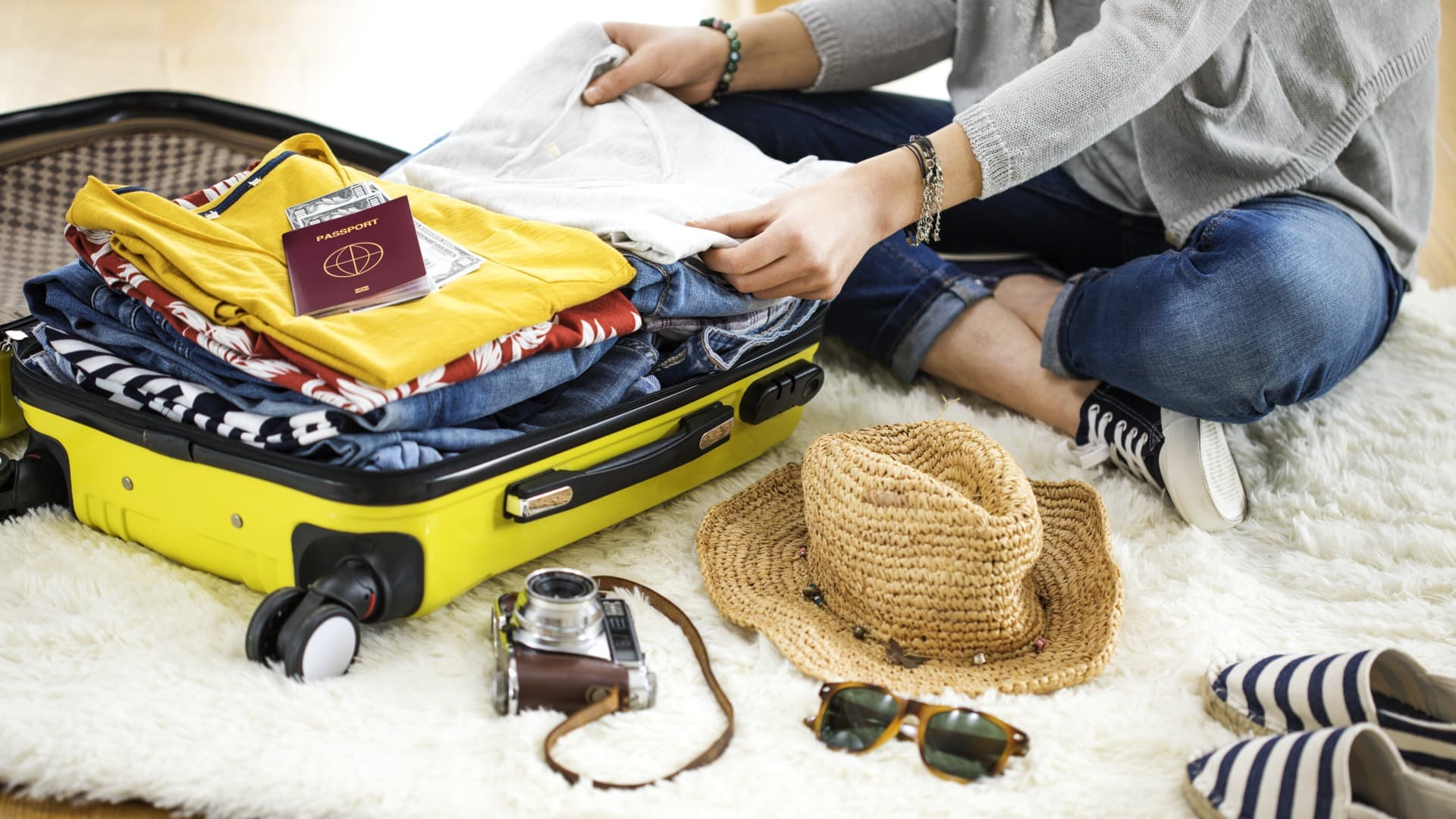
It is strongly recommended to use a large, soft and robust travel bag. Hard suitcases should be avoided entirely, as they are not suited for this type of journey. Ensure that this large bag serves as your sole piece of luggage (apart from carry-on, see below), containing everything you'll need during your trek, and it should not exceed 12 kg.
Additionally, bring a small 30-litre day backpack, which will prove invaluable during your travels as carry-on luggage and throughout your itinerary for items you'll need daily. This bag, which can be taken in the cabin, must not exceed 4kg.
- 1 quality warm sleeping bag rated to -5°C (from late November to mid-February, temperatures can drop to 0° at night)
- At least 1 warm garment for evening and morning (windproof jacket + fleece).
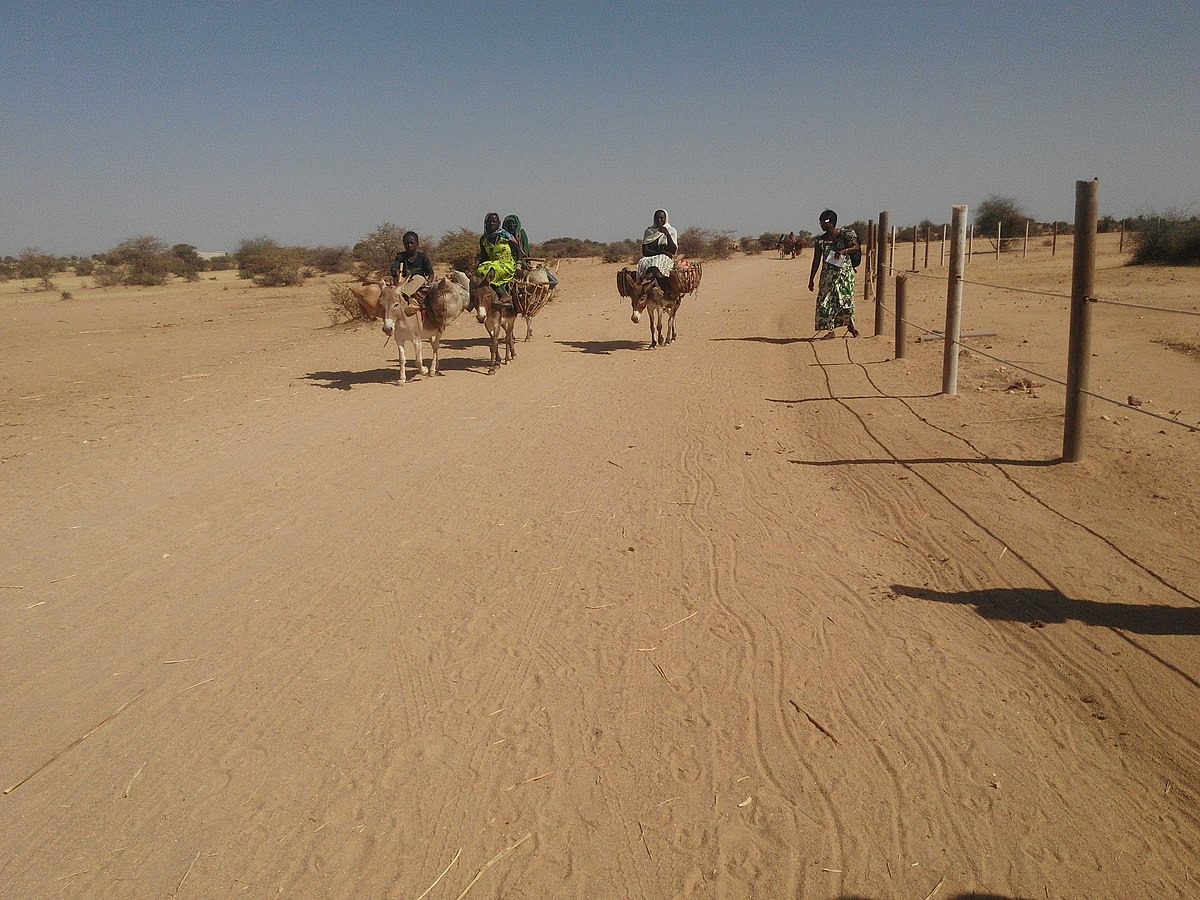
- For daytime, lightweight clothing avoiding synthetics (cotton is ideal) and preferably in light colours. Avoid shorts and short skirts, which are neither practical nor culturally appropriate in this country.
- 2 pairs of trousers (highly recommended as certain stages feature vegetation with thorns that scratch).
- Head covering (cotton hat, local headscarf, cap), sunglasses, sunscreen and lip balm.
- Lightweight trekking shoes + socks; avoid brand new, unbroken-in shoes (to prevent blisters)
- 1 pair of sandals or lightweight walking shoes.
- A water bottle of at least 1 litre, two is better (or a bottle + another container such as a plastic water bottle), pocket knife, lightweight washbasin or collapsible basin (for washing...),
- A torch with batteries (or better yet a headlamp), matches or a lighter (unrelated to smoking habits)
- Toilet paper, wet wipes for basic washing (hence the lighter mentioned above).
- If you own binoculars and a camera, do not forget them and above all bring waterproof bags (sand gets everywhere!).