Abéché
Abéché
Historic capital of Ouaddaï and gateway to the UNESCO-listed Ouara ruins, Abéché is a rare stop for discovering authentic Arab-Sahelian Chad.
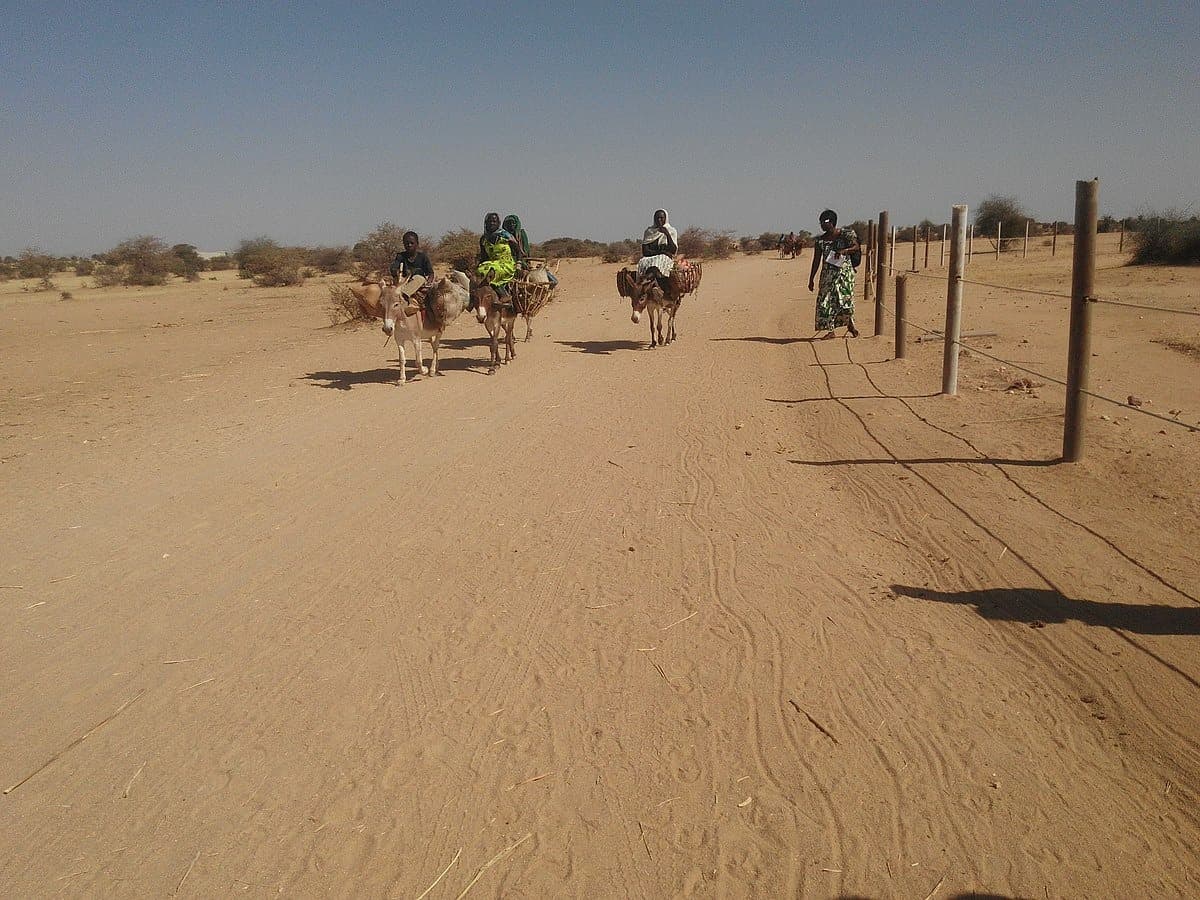
There's no fanfare to Abéché. The capital of Ouaddaï is a transhumance waypoint for herders, a trading hub in Eastern Chad and a crossroads of the Arab-Muslim civilization of North Africa.
History of Abéché
Sultan Muhammad al-Sharif founded Abéché in the second half of the 19th century to replace Ouara, plagued by drought, in its role as capital of the Abbassids and the Ouaddaï kingdom. The city served as a stronghold on the Arab slave trade route.
In 1909, the French army conquered Abéché and forced the sultan to relinquish power. At the time, Abéché represented Chad's largest population, before epidemics ravaged the city. In 1935, the French government declared the restoration of the sultanate, with Muhammad Urada at its head.
During the first Chadian civil war in the 1960s-70s, Abéché became a rebel bridgehead on the road to Chad's capital, N'Djamena. Goukouni Oueddeï, Hissène Habré and Idriss Deby passed through successively. Later, on November 25, 2006, the Union of Forces for Democracy, formed to overthrow President Idriss Deby, seized the city. At the same time, another rebel movement, the Rally of Democratic Forces, conquered the neighboring city of Biltine. But it took only a day for the Chadian army to retake it.
Abéché in French Literature
"The Hours of Abéché", an autobiographical novel written by Paul Fabre, won the Grand Prize for Colonial Literature in 1936. The story portrays the life of a young French teacher posted to Abéché. Before that, in his novel "The Journey", the writer recounts the long voyage to the city. Memories of Paul Fabre's stay in Chad are carefully preserved at the Matheysin Museum in the town of La Mure, in Isère.
Abéché Today
Welcome to Abéché, Chad's second largest city. The city lies approximately 900 km from N'Djamena, in the mountainous Ouaddaï region of which it is the capital. It's a commercial hub that thrives peacefully on traffic flowing north toward Libya and east toward Sudan. The range of goods is broad, from salt to animal hides, passing through dates, indigo and gum arabic. But it's especially the livestock market that has made Abéché's reputation. Cattle and sheep are at the heart of herding activities in the city, which also has a meat processing plant. Beyond their commercial value, leatherwork, tanning and carpet weaving also attest to the artisanal traditions preserved in Abéché. Humanitarian organizations established in the region actively contribute to strengthening these sectors while assisting Sudanese refugees fleeing the civil war in Darfur.
Abéché, the City of Minarets
Arab-Islamic culture has flourished in Abéché, which is both close to North Africa and open to the Orient. Numerous mosques have sprung up within the city, the most important being the Al Atikh Great Mosque, the Darasalam Mosque and the University Mosque. But with the progressive arrival of Western culture, the city's Muslim image has faded. Abéché now boasts a good number of churches, large restaurants, banks, bars, and more. The main market, for its part, preserves its Oriental charm in the city center. In its covered section, cloth merchants are highly sought after by Chadian women, alongside spice vendors and sellers of basic commodities. On the side of the dry wadi, the atmosphere is quite different, less conventional. It's the territory of butchers, vegetable traders and street vendors. It's also the blacksmiths' quarter. Food products, including meat and vegetables, cost less in Abéché than in N'Djamena.
The Ruins of Ouara
About sixty kilometers northwest of Abéché, discover the ruins of the ancient capital of the Abbasside kingdom: Ouara. The remains of the palace of Sultan Abdel-Kerim Ibn Djamé are the only elements that remain of this city. The brick building, designed by an Egyptian architect in the 16th century, is surrounded by an old enclosure wall approximately 325 m in diameter. The site includes the sultan's residence, a watchtower, the lodges of the princely wives and those of the concubines, an audience hall, and more. Outside the great enclosure, you'll find a mosque also built of fired brick. The Ouara ruins are listed as UNESCO World Heritage.
Climate
Abéché experiences a poorly marked rainy season that is humid and hot, from July to September, with a peak in precipitation around mid-August—the average annual rainfall is estimated at 400 mm. For the rest of the year, it's the dry season, bordering on extreme heat and bringing strong winds. Temperatures can reach 40°C during the hottest months. Throughout the year, the city records an average temperature of 29°C.
The best time to travel to Abéché is between late September and mid-March.
The North-West axis in Chad serves the main destinations of the Center, East and South-East of the country. Of the 900 km separating Abéché from the capital N'Djamena, 700 km of road are paved. The drive takes approximately 10 hours, allowing passengers time to rest during their circuit in Chad.
Abéché has an airport serving domestic flights to N'Djamena.
Transport is limited within the city. The most conventional options for getting around Abéché are taximotos and rackchas. The new paved roads are lined with these three-wheeled vehicles. Away from the main thoroughfares, the streets narrow into simple labyrinths of dusty, cramped earth lanes.
What to Do in Abéché?
- Discover artisanal carpet-making techniques
- Purchase a pagne at the Abéché market
- Visit the mosques
- Explore the ruins of Ouara, and more
Want to discover this destination?
Our local advisors design your tailor-made trip.