Ounianga Kebir
In northeastern Chad, Ounianga Kebir is home to a system of eighteen Saharan lakes designated as a UNESCO World Heritage Site, fed by fossil aquifers in the heart of one of the world's most arid deserts.
Ounianga Kebir is a town in northeastern Chad, in the Ennedi region, deep in the Sahara. It is the administrative center of the Ounianga lake system, inscribed on the UNESCO World Heritage List in 2012. These salt and brackish lakes, fed by fossil aquifers, have survived for millennia in one of the planet's most arid deserts. The site represents a unique hydrological phenomenon in the world.
Quick Facts
- Access: Track from N'Djamena via Faya-Largeau; no paved roads to the site — a 4×4 vehicle is essential.
- Recommended duration: 2 to 3 days to explore the main lakes.
- What to wear: Covering clothes recommended, maximum sun protection.
- Best period: November to March, outside the extreme heat of the Saharan summer.
What to See
The Ounianga system comprises eighteen lakes divided into two groups: Ounianga Kebir (four lakes) and Ounianga Serir (fourteen lakes). Lake Yoa, the largest, features highly saline waters of a deep blue. Beds of reeds (Phragmites australis) separate certain basins and reduce evaporation, explaining the survival of these bodies of water in an environment where annual rainfall rarely exceeds 2 mm.
History and Context
The lakes of Ounianga existed several thousand years ago, when the Sahara experienced a humid period. As the climate became increasingly arid, the lakes persisted thanks to fossil aquifers in the Lake Chad basin. Rock paintings in the region bear witness to ancient human occupation. UNESCO inscription in 2012 recognized the outstanding universal value of this hydrological system.
Highlights of Your Visit
Lake Yoa
The principal lake of the Ounianga Kebir group, Yoa stretches for several kilometers. Its hypersaline waters contrast with the ochre dunes that encircle it. The shimmering surface at sunrise offers a striking display of changing colors.
The Lakes of Ounianga Serir
About 40 km to the southeast, this second group brings together fourteen lakes separated by reed banks. The waters here are less saline. The diversity of hues — green, blue, brown — according to salinity and depth is remarkable.
The Surrounding Dunes
The ergs encircling the lakes form a landscape of red and golden sand. Climbing a dune at sunset allows you to take in the entire lacustrine landscape from above.
Photography Tips
Raking morning and evening light reveals the contrast between the blue of the lakes and the red of the dunes. Avoid midday: glare on the water overexposes shots. A polarizing filter significantly improves the rendering of lake surfaces. No known photographic restrictions on the natural site.
Location and Access
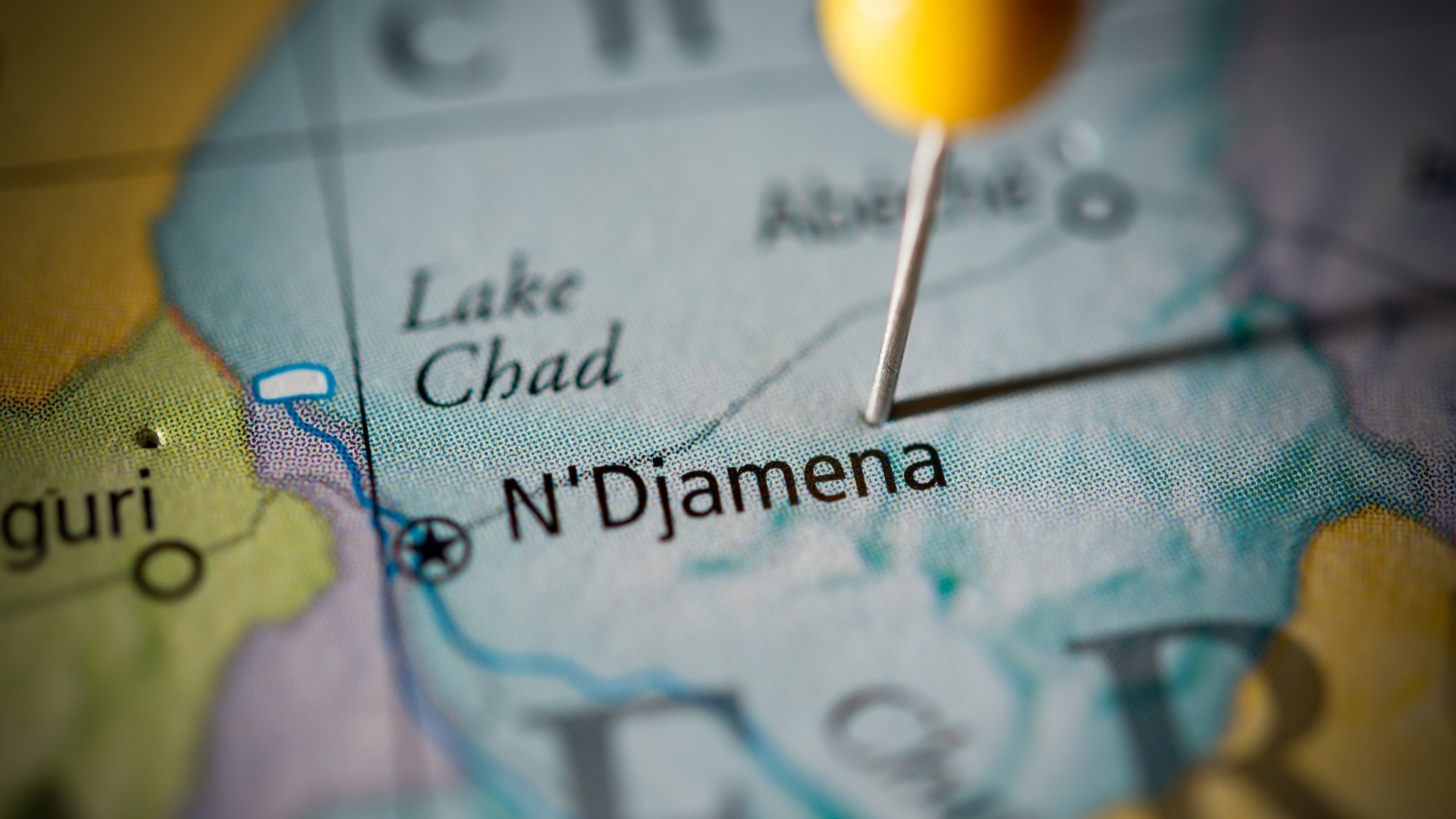
Ounianga Kebir is located in the Borkou-Ennedi-Tibesti region, approximately 1,000 km northeast of N'Djamena. Access is by 4×4, via Faya-Largeau, across Saharan tracks. An experienced local guide is essential. No public transport serves the area. A travel permit for the northern regions of Chad is required; check with Chad's authorities before departure.
Nearby Attractions
- Faya-Largeau — the main city of northern Chad, an essential logistical stop before Ounianga.
- Ennedi Plateau — sandstone plateau classified as UNESCO World Heritage, famous for its natural arches and rock engravings.
- Tibesti Mountains — isolated volcanic range, the highest point of the Sahara, accessible only by expedition.
Frequently asked questions
From November to March, temperatures are manageable. In summer, Saharan heat regularly exceeds 45 °C, making any exploration dangerous.
Yes. The tracks are unmarked and Saharan conditions unpredictable. A local guide familiar with the terrain is essential for safety.
The high salinity of certain lakes, particularly Yoa, makes swimming unappealing. The lakes of Ounianga Serir, less saline, are more accessible, but check with your guide about local conditions.
Two to three days allow you to cover both lake groups (Ounianga Kebir and Ounianga Serir) and explore the surrounding dunes without rushing.
Yes. The lakes of Ounianga were inscribed on the UNESCO World Heritage List in 2012 for their exceptional hydrological and landscape value.
Want to discover this destination?
Our local advisors design your tailor-made trip.